Search AquaLots
Find fish, plants, invertebrates and equipment
Aquarium Fish Laws in the USA: What You Can and Can't Keep by State (2026)
22 April 2026
Most fishkeepers never think about the legal status of their fish until they run into a problem. The US has a patchwork of federal and state laws governing which fish can be kept, sold, transported, and traded — and they vary enormously by state. This guide covers what every US aquarium hobbyist needs to know, written in plain English rather than legal code.
Disclaimer: This guide is for informational purposes and reflects regulations as understood at time of writing. Laws change. Always verify current regulations with your state's fish and wildlife agency before keeping, selling, or transporting species you're uncertain about.
Contents
Federal law: the Lacey Act framework
US fish and wildlife regulation operates on two levels: federal law that applies nationwide, and state law that applies within each state and can be more restrictive than federal law but not less restrictive.
The primary federal law governing live fish is the Lacey Act, originally enacted in 1900 and significantly amended over the decades. The Lacey Act prohibits the importation, exportation, transportation, sale, receipt, acquisition, or purchase of wildlife (including fish) that have been taken, possessed, transported, or sold in violation of federal, state, tribal, or foreign law.
For aquarium hobbyists, the most practically relevant section of the Lacey Act is the list of species designated as "injurious wildlife" — fish whose importation and interstate transportation is prohibited because they pose a threat to US wildlife, agriculture, horticulture, or human interests. Species on this list cannot be legally imported into the US or transported across state lines.
The Lacey Act also prohibits the transport of any wildlife in violation of state law — meaning that if you transport a fish from a state where it's prohibited to a state where it's legal, you may have committed a federal offense even if the fish is not federally prohibited.
Federally prohibited species under the Lacey Act
The following species are injurious wildlife under the Lacey Act and cannot be imported into the United States or transported between states. This is not the complete list — it includes species most relevant to the aquarium hobby:
Snakeheads — all species (family Channidae) — prohibited nationwide. Snakeheads (Channa and Parachanna species) are highly effective predators capable of breathing air and moving across land between water bodies. Their introduction to US waterways has caused documented ecological damage in several states. Possession, transport, and sale of snakeheads is prohibited in nearly all states even where not explicitly named in state law, because federal Lacey Act restrictions apply. Do not keep snakeheads. Do not transport snakeheads. The penalties are serious.
Walking catfish (Clarias batrachus and related species) — prohibited nationwide. These air-breathing catfish can travel overland between water bodies and have established invasive populations in Florida. Highly prohibited in virtually all states. Despite occasional appearance in specialty fish stores from sellers who don't know what they're handling — do not purchase.
Silver carp, bighead carp, black carp (Hypophthalmichthys and Mylopharyngodon species) — federally prohibited. The "Asian carp" species that have caused enormous ecological damage in the Mississippi River system. Not aquarium fish, but occasionally offered by uninformed sellers.
Swamp eels (Monopterus species) — prohibited under the Lacey Act. Occasionally sold in Asian food markets and pet stores — should not be purchased for aquariums.
Bighead carp, grass carp — regulated, with some states requiring specific sterile triploid certification for grass carp (used in pond weed control). Hobbyist aquarium use is not appropriate for these species.
CITES and protected species
Beyond the Lacey Act, the Convention on International Trade in Endangered Species (CITES) restricts trade in endangered and vulnerable species. For aquarium hobbyists, the most practically significant CITES restriction is:
Asian arowana (Scleropages formosus) — CITES Appendix I (highest protection level), prohibiting commercial international trade. Asian arowanas cannot be legally imported into the United States and are therefore illegal to possess in the US regardless of state law. Despite this, a significant illegal market exists — "Asian arowanas" offered in the US are either illegal imports, misidentified species, or the legal but very different Australian arowana (Scleropages jardinii).
Many wild-caught marine fish — certain species from coral reef ecosystems are covered by CITES Appendix II restrictions that regulate but don't prohibit trade, requiring proper documentation of legal collection and export. Reputable marine fish importers handle this documentation as standard practice.
Most common freshwater aquarium fish — tetras, cichlids, livebearers, corydoras, goldfish, bettas, and other typical ornamental species — are not subject to CITES restrictions and can be legally kept and traded.
How state laws work
Each state has its own fish and wildlife laws that can be more restrictive than federal law. State laws typically address:
Prohibited species lists ("black lists") — specific species that may not be possessed, sold, or transported within the state
Permit requirements — species that can be kept only with a specific permit (usually for research, education, or display purposes)
Aquarium trade exemptions — many states have an "aquarium trade fish" exemption that allows possession of common ornamental fish that meet specific criteria without individual species listing
Commercial aquaculture licensing — regulations governing the commercial breeding and sale of fish, which may differ from hobbyist possession rules
Release prohibitions — all states prohibit the release of non-native fish into natural waterways
The "aquarium trade fish" exemption is particularly important for hobbyists. Many states define a category of fish that are considered common aquarium trade species and can be kept without individual species permits as long as they're not on the state's prohibited list. A typical definition: tropical freshwater fish that cannot survive year-round in wild conditions at the state's latitude. This exemption covers neons, guppies, bettas, most cichlids, and hundreds of other commonly kept species in most states.
California — strictest aquarium regulations in the nation
California has the most extensive list of restricted and prohibited fish species in the United States. The California Code of Regulations, Title 14 contains a detailed list of species that cannot be possessed or transported without a permit.
Key California restrictions relevant to aquarium hobbyists:
Piranhas (all Serrasalmus, Pygocentrus, and related genera) — prohibited in California
Snakeheads — prohibited statewide
Walking catfish (Clariidae family) — prohibited statewide
Freshwater stingrays (Potamotrygonidae) — prohibited
Gar (all freshwater species) — prohibited
Bowfin — prohibited
Various carp species — restricted
California's aquarium trade exemption is narrower than many states. Fish that can survive in California's diverse climate — including many species that wouldn't survive in northern states but are viable in Southern California's warm climate — may require permits that wouldn't be needed in colder states.
If you're in California and interested in any non-standard aquarium species — particularly predatory fish, large cichlids, or any species from California's prohibited list — verify with California Department of Fish and Wildlife before acquiring them.
Florida — invasive species focus
Florida's aquarium fish regulations are shaped by the state's extraordinary invasive species problem. The Florida climate is warm enough year-round that many tropical fish released or escaped into the wild can establish reproducing populations — and they have. Florida waterways contain established populations of Mayan cichlids, Midas cichlids, jaguar cichlids, oscar cichlids, walking catfish, suckermouth armored catfish (plecos), and dozens of other species originally introduced through the aquarium trade.
The Florida Fish and Wildlife Conservation Commission (FWC) takes an aggressive approach to preventing new introductions:
All livebearers except guppies, mollies, platies, and swordtails may require permits for commercial aquaculture purposes in Florida
Snakeheads, walking catfish — prohibited
Piranha — prohibited
Most non-native species require a Non-Native Species permit for commercial collection and sale
Florida has a particularly interesting provision for its warm climate: species that cannot survive in northern states under an aquarium trade exemption may need permits in Florida because they can potentially establish outdoors. A pleco that would freeze in a Minnesota winter can thrive in a Florida canal year-round — and does, creating documented ecological problems in the Hillsborough River and elsewhere.
The legal obligation that applies in all states but is most critical in Florida: never release any aquarium fish into the wild.
Hawaii — near-total import restrictions
Hawaii has the most restrictive fish importation regulations of any US state. The Hawaii Department of Agriculture administers a detailed list of prohibited importation species, and the default posture is restriction: species not on Hawaii's approved import list may require permits that are difficult to obtain.
Most freshwater aquarium fish require import permits in Hawaii. Common ornamental species (goldfish, koi, guppies, and some others) are on the approved list; many less common species require individual permits.
Hawaii hobbyists are strongly advised to check the Hawaii Department of Agriculture's approved import species list before ordering any fish from the mainland. Importing a prohibited species — even unknowingly — carries serious legal consequences in Hawaii.
Texas — native species rules
Texas Parks and Wildlife has jurisdiction over native species. Collecting or possessing native Texas freshwater fish without a scientific collection permit is generally illegal — this applies to species like native sunfish, bass, catfish, and many others that might seem attractive to aquarium keepers interested in native setups.
Non-native ornamental fish in standard aquarium trade — tetras, guppies, cichlids, corydoras — are generally not specifically regulated for hobbyist possession in Texas, though sellers may need appropriate business licensing for commercial operations.
Texas has specific restrictions on carp species and invasive species consistent with federal Lacey Act requirements. The emerald shiner and some other native species are protected.
Key regulations in other states
Wisconsin, Minnesota, Michigan, Indiana, Ohio — Great Lakes states have increasingly strict regulations around species that could threaten the Great Lakes ecosystem. Asian carp species are heavily restricted, and various exotic species face enhanced scrutiny. Snakeheads, walking catfish, and other established prohibited species are strictly enforced.
Georgia — prohibited species include snakeheads, piranhas, walking catfish, grass carp (without triploid certification), and silver/bighead carp. Banded tetras (Astyanax fasciatus) are specifically listed as prohibited — an unusual restriction relevant to hobbyists interested in this species.
New York — snakeheads, piranhas, and walking catfish are prohibited. New York also has specific restrictions around some invasive freshwater species connected to the Great Lakes and Hudson River concerns.
Washington State — snakeheads and walking catfish are prohibited. Washington has additional restrictions on various carp species and is increasingly concerned about species that could impact Pacific salmon ecosystems.
Pennsylvania — has a broad restriction on all crayfish species (including many ornamental tropical crayfish that pose no ecological risk to Pennsylvania) due to invasive crayfish concerns. Hobbyists wanting to keep Mexican dwarf crayfish (Cambarellus patzcuarensis) and similar popular ornamental species should check Pennsylvania regulations. Most ornamental fish are legal.
Most other states follow a standard pattern: snakeheads, walking catfish, and piranhas are prohibited; standard ornamental aquarium fish are covered by an aquarium trade exemption and can be kept without specific permits.
Shipping fish across state lines
When you purchase fish online that are shipped to you from another state, you're participating in interstate commerce that is subject to both federal and state law. For the vast majority of common ornamental species, this is entirely legal and unproblematic — millions of fish shipments cross state lines every year without issue.
The practical requirements:
The species being shipped must be legal in both the origin state and destination state
Federally prohibited species (snakeheads, walking catfish, etc.) cannot be shipped across state lines under any circumstances
Some states require health certificates for commercial fish shipments — primarily relevant to commercial operations rather than hobby-to-hobby transactions
USPS Priority Mail is the primary carrier for live fish shipments (see our guide to shipping fish in the USA for full details)
For standard ornamental fish — the tetras, cichlids, livebearers, corydoras, plecos, and other species that make up 99% of the hobby — interstate shipping is legal and routine. Questions arise only for unusual species, particularly those that might appear on state prohibited lists or that could be confused with prohibited species.
Never release fish into the wild: the most important rule
Every state in the United States prohibits the release of non-native fish into natural waterways. This is not a niche regulation — it's a fundamental environmental protection that every fishkeeper must understand and honor.
The consequences of aquarium fish releases have been catastrophic in some cases:
Burmese pythons in Florida — originally released pet animals that now form a reproducing wild population causing documented collapse of native mammal species
Plecostomus catfish in Texas and Florida rivers — released aquarium fish that have established reproducing populations and are causing bank erosion and competition with native species
Asian carp in the Mississippi River system — although primarily introduced through commercial aquaculture escapes, the lesson about unintended introduction consequences is stark
Numerous cichlid species in Florida — released aquarium fish that have altered native fish communities in warm south Florida waterways
When you need to rehome fish you can no longer keep, the responsible options are: sell or give them to another fishkeeper, return them to a fish store, contact a local aquarium club, list them on AquaLots, or — as a last resort — humanely euthanize them. Clove oil is the most humane euthanasia method for aquarium fish and is widely used in the hobby.
Do not release fish into rivers, lakes, ponds, storm drains, or any natural waterway. Ever. Regardless of how "local" or "native-looking" the fish appears. This is a legal requirement and an ecological responsibility.
Common fish that are legal in almost all US states
The following species are covered by aquarium trade exemptions or are specifically permitted in virtually every US state. These are the backbone of the hobby and can be kept, bought, and sold without legal concern in almost all US jurisdictions:
Tetras — neons, cardinals, black skirts, ember tetras, rummy-noses, and most other tetra species
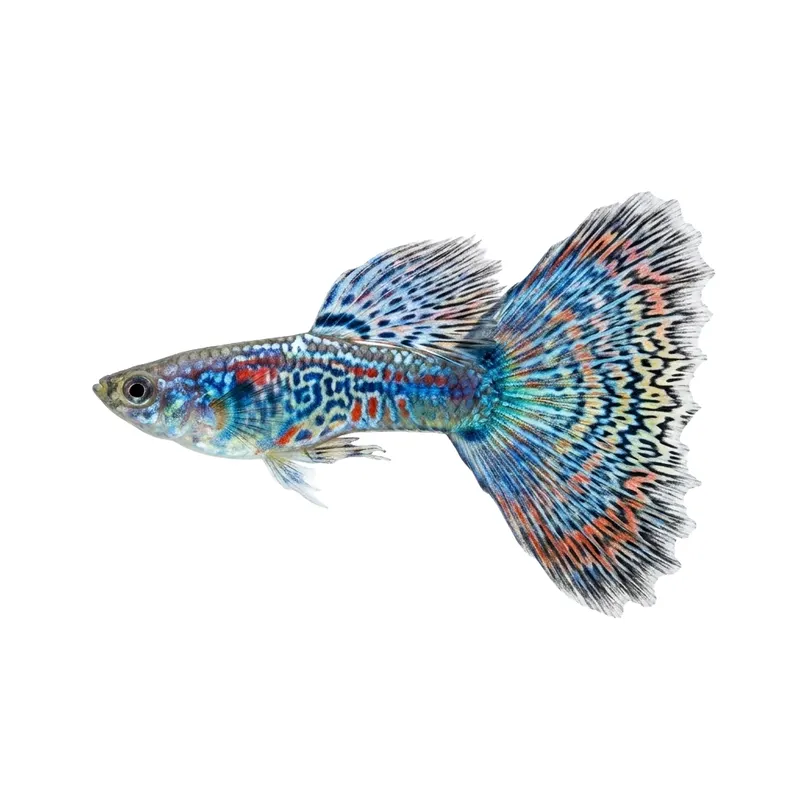
Livebearers — guppies, platies, mollies, swordtails, endlers
Corydoras catfish — all common species
Bristlenose and other small plecos (non-Pterygoplichthys species)
Bettas (Betta splendens)
Gouramis (dwarf, honey, pearl, three-spot)
Rasboras — harlequin, chili, galaxy, lambchop
Danios — zebra, leopard, pearl, giant
Barbs — cherry, gold, rosy, checkered (tiger barbs are legal but invasive in Florida waterways)
African cichlids — mbuna, peacocks, haps, tanganyikan species
South American cichlids — rams, apistogramma, angelfish, discus, geophagus
Central American cichlids — convicts, firemouths, Mayan, flowerhorns
Goldfish and koi — legal everywhere, though appropriate housing requirements remain the keeper's ethical responsibility
Neocaridina shrimp — cherry shrimp and all color morphs
Most common loaches — kuhli loach, clown loach, yoyo loach
Most otocinclus species
How to check regulations for your state
For any species you're uncertain about, the following steps will give you reliable answers:
Search "[your state] Department of Fish and Wildlife" or "[your state] Department of Natural Resources" for your state's fish and wildlife regulatory agency
Look for "aquatic invasive species," "prohibited species," or "restricted species" sections on their website
Search specifically for the species you're interested in by both common name and scientific name — regulatory lists often use scientific names
If you can't find a clear answer on the website, call or email the agency directly. State fish and wildlife departments are generally responsive to honest questions from hobbyists
For interstate shipping questions, check both the origin state and your destination state
When purchasing fish from AquaLots sellers, both buyers and sellers share responsibility for ensuring that the fish being sold and shipped are legal in all relevant jurisdictions. AquaLots sellers who specialize in unusual species will typically be knowledgeable about legal status — ask them if you're uncertain.
The vast majority of the aquarium hobby operates entirely within the law, and the regulatory landscape is less complex than it initially appears. Standard ornamental fish are legal almost everywhere. The prohibitions target species with genuine invasive potential that pose real ecological risks. Know what's on your state's list, follow federal guidelines, and never release fish into the wild — that covers essentially everything a responsible US aquarium hobbyist needs to know.
More from the Blog
22 Apr 2026
Best Native North American Fish for Your Aquarium: The Complete Guide (2026)
22 Apr 2026
Best Fish for a 20 Gallon Tank: Complete Stocking Guide for US Aquariums (2026)
_400.webp)
22 Apr 2026
How to Sell Fish Online in the USA: Complete Guide for Home Breeders (2026)
22 Apr 2026
US Tap Water and Your Aquarium: A State-by-State Guide to pH and Water Hardness