Search AquaLots
Find fish, plants, invertebrates and equipment
Best Fish for Hard Water UK
26 March 2026
If you live in London, Kent, Essex, East Anglia, the East Midlands, or anywhere else in England's hard water belt, you've probably been told your water is a problem to be solved. It isn't. It's an environment that hundreds of spectacular fish species evolved in — and it gives you a genuine advantage with some of the most impressive fish in freshwater fishkeeping. This guide tells you exactly what thrives, what adapts, and what to avoid.
In this guide
Understanding the hard water advantage
Around 60% of homes in the UK — predominantly across England's South East, East Anglia, East Midlands, and much of London — receive moderately hard to very hard tap water. For years, the dominant message in fishkeeping content has been that this water is a limitation to be managed: soften it, blend it, treat it. This framing is wrong.
Hard, alkaline water with high KH and GH is not inferior water. It is the natural environment of some of the most spectacular freshwater fish available to hobbyists. The African Rift Lakes — Malawi, Tanganyika, and Victoria — are among the most mineral-rich, alkaline freshwater bodies on earth. The extraordinary cichlids that evolved there genuinely need this water to thrive long-term. The same is true for livebearers from Central American limestone springs, rainbowfish from Australian hard water river systems, and goldfish from centuries of selective breeding in alkaline ponds.
Hard water also provides genuine practical advantages. High KH buffers pH changes, meaning the pH crashes that kill fish in soft water tanks essentially don't happen in hard water setups. The stable, well-buffered environment that hard water creates is actually easier to maintain than soft water, which requires more active management to prevent parameter instability.
What hard water does make genuinely difficult is keeping wild-caught or first-generation captive fish from soft, acidic blackwater environments — discus, wild cardinal tetras, most Caridina shrimp, and specialist Amazonian species. For these, RO treatment is necessary. For everything else covered in this guide, your hard UK tap water is an asset.
Fish that genuinely love hard water
The following species don't merely tolerate hard water — they require it, and they'll be healthier, more colourful, and more likely to breed in hard UK tap water than in artificially softened water. This is where hard water keepers have a natural advantage over soft water keepers.
Malawi cichlids — the hard water showpiece
Lake Malawi has a pH of 7.8–8.5 and high carbonate hardness — essentially the same parameters as hard tap water in London and the South East. Malawi cichlids don't just tolerate UK hard water; they thrive in it better than most keepers in soft water areas can replicate without significant intervention. If you're in a hard water area and haven't kept Malawi cichlids, you're missing the biggest advantage your water gives you.
Mbuna — rock-dwelling cichlids
Electric yellow cichlid (Labidochromis caeruleus) — The gateway Malawi cichlid and one of the most reliably peaceful mbuna. Vivid lemon-yellow body with black fin markings. Reaches around 10cm. The most widely recommended starting mbuna for good reason — less aggressive than most, visually striking, widely available. Parameters: pH 7.8–8.5, GH 10–20 dGH, temperature 24–28°C.
Red zebra cichlid (Metriaclima estherae) — Males are blue-grey; females vivid orange-red. One of the few fish where females are as intensely coloured as males, making mixed-sex groups visually impressive throughout. Hardy, active, and one of the most commonly available mbuna in UK shops. Parameters: pH 7.8–8.5, GH 10–20 dGH.
Pseudotropheus demasoni — Striking dark and pale blue vertical stripes. One of the smaller mbuna at 7–8cm but one of the most aggressive — requires proper overcrowding to manage territorial behaviour. Visually extraordinary; a shoal of demasoni in a well-set-up rocky tank is remarkable. Parameters: pH 7.8–8.5.
Rusty cichlid (Iodotropheus sprengerae) — Purple-brown with subtle iridescence; one of the less aggressive mbuna. Underrated in the hobby but excellent for mixed mbuna setups where management of aggression is a concern. Parameters: pH 7.8–8.5.
Peacock cichlids (Aulonocara)
Flavescent peacock (Aulonocara stuartgranti) — The most widely available peacock cichlid, with multiple geographic colour variants. Males develop blue and yellow colouration that intensifies dramatically in breeding condition. Less aggressive than mbuna. Parameters: pH 7.8–8.2, GH 10–18 dGH, temperature 25–28°C.
Red shoulder peacock (Aulonocara hansbaenschi) — Blue body with vivid red-orange shoulder marking. One of the most visually striking Aulonocara species and widely available from UK specialists. Parameters: as above.
Electric blue ahli (Sciaenochromis fryeri) — Solid electric blue across the entire body of males — one of the most intense solid blues in freshwater fishkeeping. Peaceful for its size (to around 15cm), works excellently in peacock and hap setups. Genuinely benefits from hard, alkaline UK tap water. Parameters: pH 7.8–8.5.
Tanganyika cichlids — intelligence in a hard water tank
Lake Tanganyika shares the hard, alkaline water chemistry of Lake Malawi and provides a completely different fishkeeping experience — smaller species with extraordinary behavioural complexity, tight pair bonds, and in the case of shell-dwellers, fascinating use of empty snail shells as breeding territory.
Neolamprologus multifasciatus (Multi shell-dweller) — The smallest cichlid commonly kept in the hobby at around 3–4cm. Lives in colonies among empty snail shells. Breeding behaviour is constant and visible — the colony structure, territory defence, and shell-moving activity make this one of the most watchable species available. Suitable for tanks from 60 litres. Parameters: pH 8.0–9.0, GH 12–20 dGH, temperature 24–27°C.
Julidochromis species — Elongated, torpedo-shaped cichlids with striking black and yellow or black and white patterning. Form strong pair bonds, exhibit unusual behavioural flexibility (both sexes take turns guarding eggs), and do well in hard water. J. transcriptus, J. marlieri, and J. ornatus are commonly available. Parameters: pH 7.8–8.5.
Tropheus species — The most demanding and most spectacular Tanganyikan mbuna-equivalent. Solid bright colours (orange, yellow, and many other variants depending on geographic population), intensely social, and requiring specific management (very similar to Malawi mbuna overcrowding principles) and a strictly vegetarian diet. Genuinely benefits from hard UK tap water. Parameters: pH 7.8–9.0.
Altolamprologus compressiceps — A compressed, laterally flattened cichlid with extraordinary colouration and a predatory nature toward small fish. Intelligent, distinctive in appearance, and suitable for species-specific or very carefully selected community setups. Parameters: pH 7.8–8.5.
Livebearers — the perfect hard water community fish
Livebearers evolved in the limestone springs, cenotes, and hard-water rivers of Central America. They are among the most strongly hard-water-adapted fish in the hobby and genuinely struggle in the soft water that some fishkeeping guides present as the universal ideal. For UK hard water keepers, livebearers are the easiest, most productive community fish available.
Guppies (Poecilia reticulata) — The world's most popular aquarium fish and a species that genuinely prefers hard, alkaline water. GH of 10–20 dGH, pH 7.0–8.5 — most UK hard water tap water is essentially ideal without modification. Fancy guppy strains with elaborate finnage and colour breed readily in hard water. The enormous variety of tail types and colours available makes guppy keeping a hobby within a hobby. Parameters: GH 8–20 dGH, pH 7.0–8.5, temperature 22–28°C.
Platies (Xiphophorus maculatus) — Hardy, colourful, peaceful, and extremely tolerant of a wide range of water conditions including hard and alkaline. Available in a remarkable range of colour varieties — sunset, blue, red, coral, and dozens of named strains. Easy breeders, manageable fry numbers (smaller broods than guppies), and genuinely peaceful community fish. Parameters: GH 10–25 dGH, pH 7.0–8.3, temperature 18–28°C.
Swordtails (Xiphophorus hellerii) — Larger than platies and guppies at 10–12cm, but the same hard water preference. Male swordtails develop the distinctive elongated lower caudal fin extension that gives the species its name. Available in red, green, black, and other colour variants. Peaceful in mixed-sex groups; males sometimes squabble with each other. Parameters: GH 10–25 dGH, pH 7.0–8.3.
Mollies (Poecilia sphenops / P. latipinna) — Of all livebearers, mollies have the strongest need for hard, mineral-rich water — some populations are genuinely brackish in the wild, and mollies kept in soft, acidic freshwater often develop shimmying (an uncoordinated swimming behaviour indicating osmotic stress). In hard UK tap water they thrive. Short-finned, sailfin, and balloon mollies are all available in various colours. Parameters: GH 15–25 dGH, pH 7.5–8.5, temperature 24–28°C.
Variatus platy (Xiphophorus variatus) — A separate species from the common platy, the variatus is genuinely temperate — comfortable at UK room temperature without a heater in most homes. Available in vivid orange, red, and mixed colour variants. Works in both tropical and unheated hard water setups. Parameters: GH 10–20 dGH, pH 7.0–8.0, temperature 15–25°C.
Rainbowfish — underrated hard water beauties
Australian and New Guinean rainbowfish are spectacularly coloured fish that do very well in hard water and remain genuinely underused in UK hobby compared to their visual impact. Males develop their best colour gradually over 6–12 months, which means they often look disappointing in shop tanks but extraordinary in an established home aquarium.
Boesemani rainbow (Melanotaenia boesemani) — The most dramatic of all rainbowfish. Males are blue-purple on the front half of the body and vivid orange-yellow on the rear half — a colour split that makes them unlike any other freshwater fish. Grows to 10–12cm. Genuinely benefits from hard, alkaline water. Parameters: GH 10–20 dGH, pH 7.0–8.0, temperature 25–28°C.
Turquoise rainbow (Melanotaenia lacustris) — Vivid turquoise body that intensifies significantly in established tanks with appropriate feeding. Less common than boesemani but equally striking. Parameters: as boesemani.
Threadfin rainbow (Iriatherina werneri) — A micro-species at 3–4cm with elaborate, thread-like fin extensions in males. Peaceful, delicate, and suitable for smaller tanks. Genuinely beautiful but requires non-nippy tankmates given the fragile finnage. Parameters: GH 5–15 dGH, pH 6.5–8.0.
Celebes rainbow (Marosatherina ladigesi) — Pale silver with yellow and blue fin markings. A temperate to tropical species adaptable to hard water that is peaceful and active in the upper water column. Parameters: GH 8–20 dGH, pH 7.0–8.5.
Goldfish and fancy goldfish
Goldfish have been selectively bred for ornamental purposes for over a thousand years, originally in the moderately hard, neutral-to-alkaline ponds of China and Japan. They are strongly adapted to hard water and genuinely struggle in very soft, acidic conditions. UK hard water is close to ideal for most goldfish varieties without any modification.
Standard goldfish, comets, and shubunkins are better suited to outdoor ponds where they can grow to appropriate adult sizes. For indoor aquarium keeping, fancy goldfish varieties — orandas, ryukins, ranchus, telescope eyes, pearlscales — are the appropriate choice. All thrive in hard UK tap water. Parameters: GH 8–20 dGH, pH 7.0–8.0, temperature 15–22°C (no heater required in most UK homes).
Central American cichlids
Central America's fish fauna evolved in hard, alkaline water — limestone is the dominant geology across much of Mexico, Honduras, and Nicaragua. The cichlids of this region are characterised by strong pair bonds, intensive parental care, and the kind of engaging interactive personality that makes cichlids so compelling to keep.
Convict cichlid (Amatitlania nigrofasciata) — Black and white vertical striping, intense parental care, and complete indifference to hard water of any degree. One of the most reliable breeders in the hobby. Small enough (8–10cm) for modest tanks. Aggressive during breeding — best kept as a species pair or with tough, similarly sized companions. Parameters: GH up to 30 dGH, pH 6.5–8.0, temperature 20–30°C.
Firemouth cichlid (Thorichthys meeki) — Named for the vivid red-orange throat that males flash during displays. Moderate aggression, striking appearance, and genuine affinity for hard, alkaline water. Reaches 15cm; suitable for 120+ litre setups. Parameters: GH 10–25 dGH, pH 7.0–8.0, temperature 24–28°C.
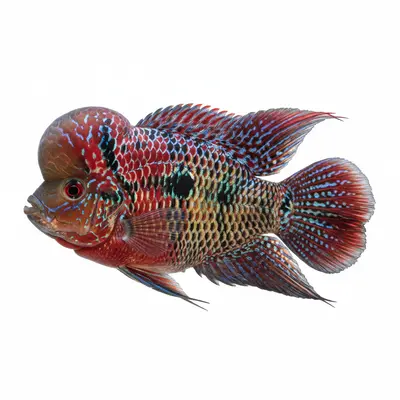
Flowerhorn cichlid — A hybrid species bred for the dramatic nuchal hump (the forehead growth), vivid colours, and interaction with keepers. Flowerhorns are among the most interactive fish in freshwater fishkeeping — they recognise their owners, learn feeding routines, and actively engage with people at the glass. Requires large tanks (200+ litres for adults) and produces significant waste. Thrives in hard water. Parameters: GH 10–20 dGH, pH 7.0–8.0, temperature 26–30°C.
Jack Dempsey (Rocio octofasciata) — Blue-green iridescent scales over a dark background, named for the boxer for its fighting reputation. Aggressive toward conspecifics and smaller fish but can be managed with appropriate tank setup. Reaches 20–25cm; needs a large tank. Benefits from hard water. Parameters: GH 8–20 dGH, pH 7.0–8.0.
Temperate hard water species
Several species thrive in UK room temperature without a heater and are specifically adapted to harder, cooler water — a combination that suits many UK homes perfectly.
White cloud mountain minnow (Tanichthys albonubes) — Originally from mountain streams in southern China, white clouds prefer cool water (16–22°C) and are completely adaptable to hard water. Their red-tipped fins and silver-gold iridescence make them more attractive than their beginner reputation suggests. Peaceful, active, and suitable for nano tanks. Parameters: GH 4–20 dGH, pH 6.0–8.0, temperature 14–22°C — no heater needed in most UK homes year-round.
Weather loach / dojo loach (Misgurnus anguillicaudatus) — Elongated, eel-like bottom dwellers that burrow into substrate and are unusually interactive with their keepers. Detect barometric pressure changes and become very active before weather changes — the behaviour that gives them their common name. Prefer cooler water and are completely adaptable to hard conditions. Parameters: GH 5–15 dGH, pH 6.5–8.0, temperature 10–22°C.
Hillstream loach (Sewellia lineolata and related species) — Spectacularly patterned, stingray-shaped fish adapted to fast-flowing, oxygen-rich streams. They thrive in hard water (which holds less oxygen than soft water, so moderately hard rather than very hard is ideal), and at UK room temperatures without heating. Perfect for fast-flow setups. Parameters: GH 5–15 dGH, pH 6.5–7.8, temperature 16–24°C.
Paradise fish (Macropodus opercularis) — One of the most striking temperate fish and historically one of the first ornamental fish kept in Europe. Vivid red and blue striping, flowing fins, and a labyrinth organ like bettas. Tolerant of very wide temperature and hardness ranges. Males are aggressive toward each other but can be kept with appropriate companions. Parameters: GH 5–20 dGH, pH 6.0–8.0, temperature 15–26°C.
Soft water fish that actually adapt — the captive-bred reality
This section addresses one of the most practically important realities in UK fishkeeping: most of the fish sold in UK shops are not wild-caught. They are farm-raised, in many cases through dozens of generations of captive breeding, in conditions that often bear little resemblance to the species' natural habitat. This has significant implications for water chemistry.
A neon tetra from a fish farm in Singapore or Eastern Europe has never experienced blackwater Amazonian conditions. Its parents hadn't. Its grandparents hadn't. Over multiple captive generations, these fish have adapted to whatever water conditions the farm uses — which is often moderately hard, neutral water that is easy to treat at scale. The result is that farm-bred specimens of many nominally soft water species are significantly more tolerant of hard water than their wild-caught equivalents or their species profiles suggest.
This does not mean hard water causes no stress to these fish — it does, particularly at the extremes of UK hard water. But it does mean that in moderately hard water (8–15 dGH), many farm-bred soft water species live long, healthy lives without the problems that purist water chemistry advice predicts.
Species that commonly adapt to moderate UK hard water
Neon tetras (Paracheirodon innesi) — Farm-bred specimens from reputable sources survive and often thrive in moderately hard water up to 15 dGH. Very hard water (above 20 dGH) causes chronic stress. Wild-caught specimens are different — they genuinely need soft, acidic water. Ask whether your source is farm-bred before purchasing.
Most common barbs — Tiger barbs, cherry barbs, gold barbs, and similar species sold in UK shops are almost universally farm-bred and adapt well to moderately hard water. Cherry barbs are particularly adaptable and make excellent hard water community fish.
Harlequin rasboras (Trigonostigma heteromorpha) — One of the UK's most popular community fish and one that adapts reasonably well to moderate hardness. Not as tolerant as livebearers but viable in water up to around 15 dGH in farm-bred form.
Corydoras catfish — Most farm-bred corydoras species adapt well to moderately hard water. Sterbai, pandas, and peppered corydoras are all regularly kept in hard water setups without problems. Breeding requires softer water for most species but maintenance is perfectly viable. Barbels are sensitive to substrate choice (fine sand required) but not to water hardness within moderate ranges.
Angelfish (Pterophyllum scalare) — Farm-bred angelfish are remarkably tolerant of hard water, having been bred in Florida and similar hard-water locations for generations. pH up to 8.5 is often tolerated without visible stress. Breeding may be impaired at high hardness but display keeping is viable. Wild-caught altum angels are a completely different matter — they genuinely need soft, acidic water.
Gouramis — Dwarf gouramis, honey gouramis, and pearl gouramis are predominantly farm-bred and adapt to moderate hardness without significant difficulty. Honey gouramis in particular are excellent hard water community fish.
Common bristlenose plecos (Ancistrus sp.) — Ubiquitous in UK shops and almost universally captive-bred through many generations. Completely adaptable to hard water. Their South American origin is essentially irrelevant to a fish that has been bred in captivity for decades. Parameters: very wide tolerance.
Shrimp in hard water
Shrimp keeping in hard water divides into two clearly different categories.
Neocaridina shrimp (cherry shrimp, blue dream, fire red, and all colour morphs) — These are genuinely hard water shrimp. Their natural range in China and Taiwan often includes moderately hard, neutral to slightly alkaline water. Most UK tap water in the hard water belt is within or close to their optimal range without modification. Neocaridina shrimp in hard UK tap water often outperform those kept in artificially softened water — the mineral content supports moulting and colony health. The main requirement is avoiding very soft water dechlorinators that don't handle chloramine.
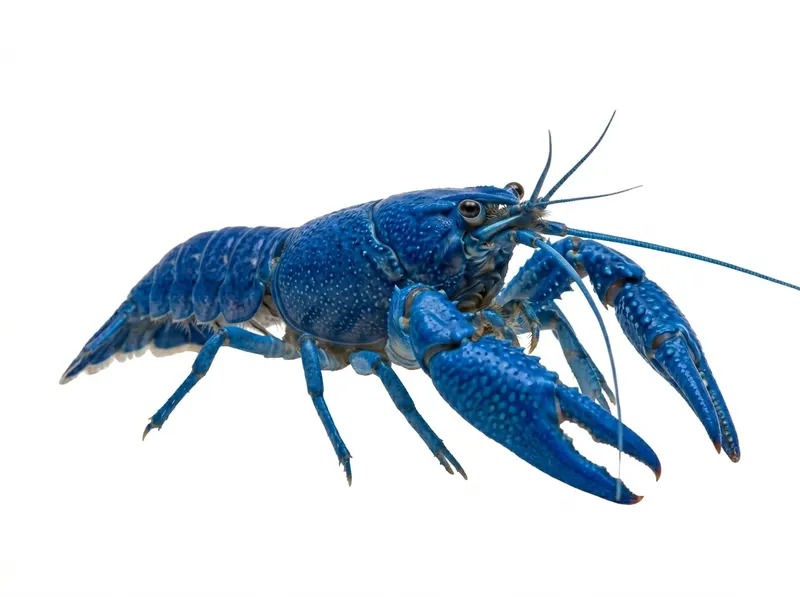
Caridina shrimp (crystal reds, Taiwan bees, blue bolts) — These genuinely need soft, acidic water with very low GH. They cannot be kept in UK hard water without RO treatment. Even with RO, maintaining appropriate Caridina parameters in a hard water area requires active management of blending ratios and remineralisation. Crystal shrimp are not appropriate for hard water keepers unwilling to invest in RO infrastructure.
Amano shrimp (Caridina multidentata) — More adaptable than most Caridina. Farm-bred Amano shrimp tolerate moderately hard water and are useful algae-eating additions to hard water community tanks. They don't breed in freshwater (larvae require saltwater) so colony management is not a concern.
Nerite snails — Genuinely benefit from hard water — their shell development is directly dependent on calcium availability. Nerite snails in very soft water develop thin, pitted shells; in hard water their shells are thick and intact. Nerites are among the best algae cleaners available and are completely suitable for hard water setups.
Fish to avoid without RO treatment
The following species have genuine requirements for soft, acidic water that UK hard water cannot provide. They may survive in hard water but will not thrive, will not breed, and may develop chronic health problems over time. Without RO investment, these are not appropriate choices for hard water UK keepers.
Discus — The most demanding soft water species. Hard water discus survive but don't breed and often show suppressed colour and chronic health issues long-term.
Wild-caught cardinal tetras — Farm-bred specimens are more tolerant, but wild-caught cardinals need soft, blackwater conditions.
Ram cichlids (German blue ram, electric blue ram) — Notoriously difficult for hard water keepers. They survive but health and breeding are consistently problematic above 10 dGH.
Caridina shrimp — Crystal reds, Taiwan bees, blue bolts. Non-negotiably soft water animals.
Wild-caught Apistogramma — Farm-bred apistogramma are more tolerant, but wild-caught specimens and breeding projects require soft, acidic water.
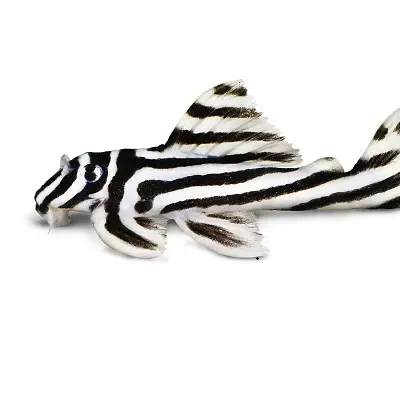
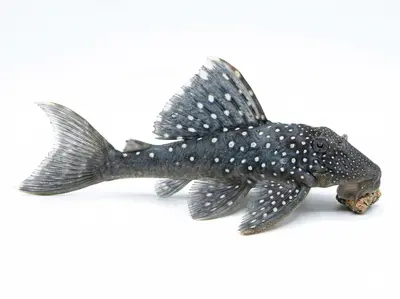
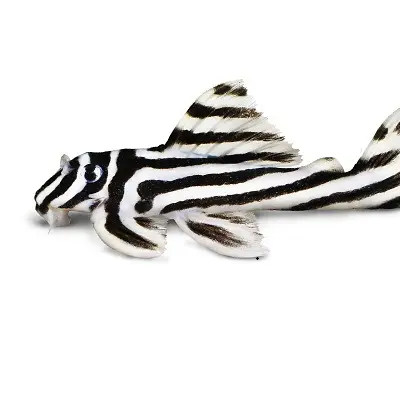
Wild-caught L-number plecos — Zebra plecos (L046), royal plecos, and most specialist L-numbers from blackwater rivers. Tank-bred specimens are more adaptable; wild-caught are not.
Most killifish requiring blackwater conditions — Many West African killifish species from forest streams need genuinely soft, acidic water.
Sourcing hard water fish in the UK
Finding quality hard water fish — particularly Malawi and Tanganyika cichlids, specialist livebearers, and quality fancy goldfish — from local shops can be inconsistent. General pet stores stock the most common varieties; specialist aquatic centres have broader selections but aren't present everywhere.
AquaLots connects buyers directly with UK keepers and specialist breeders who maintain specific species, strains, and lines. For Malawi cichlid enthusiasts, this means finding breeders who maintain specific geographic variants and colour forms rather than the generic mixed-strain fish typically available in shops. For livebearer collectors, it means accessing quality fancy guppy strains, moscow varieties, and specialist platy and molly lines that simply don't appear in retail.
When buying hard water fish through any route, ask the seller what parameters their stock has been maintained in. A Malawi cichlid breeder in London keeping fish in London tap water is selling you fish already adapted to your exact water conditions. This matters — fish moved from similar-hardness water to your tank require minimal acclimation; fish moved from significantly different water, even of the same species, need much more careful introduction.
Hard water fishkeeping in the UK, approached correctly, is not a compromise — it's an opportunity. The fish that love your tap water include some of the most spectacular, most engaging, and most commercially interesting species in freshwater fishkeeping. Know your water, choose accordingly, and the hard water that frustrated you as a beginner becomes a genuine advantage.