Search AquaLots
Find fish, plants, invertebrates and equipment
_800.webp)
How to Write a Fish Listing That Actually Sells
2 April 2026
Why Some Listings Sell in Hours and Others Sit for Days
If you have ever listed fish online and wondered why some sellers seem to attract bids and buyers almost instantly while others go unnoticed, the answer usually comes down to a handful of things that are completely within your control. On AquaLots, the platform is designed to surface the best listings to the right buyers — but it needs the right information from you to do that effectively.
This guide walks through everything that goes into a listing that actually sells — from the title you write to the photos you take, the price you set and the description you give. None of it is complicated. It is just a matter of knowing what matters and why.
How AquaLots Decides What Gets Seen
Before getting into the specifics, it helps to understand how listings are surfaced on AquaLots. The platform uses a combination of factors to determine which listings appear on the homepage, in category pages, and in search results. Listings that are well-described, accurately titled, competitively priced and actively receiving interest are more likely to be shown to more buyers.
The homepage sections — Ending Soon, Most Active, Top Deals, and others — are not random. They are driven by real signals: bidding activity, buyer engagement, listing quality and relevance to what buyers are actually searching for. Think of it like a shop window. AquaLots wants to display listings that will make buyers stop and look. A well-presented listing gets that opportunity. A thin, poorly described one rarely does.
Search also plays a role. When a buyer types "blue neocaridina shrimp" or "L333 pleco" into the search bar, the platform looks for those terms in listing titles and descriptions. If your title simply says "shrimp for sale", it will not appear for that search. If it says "Blue Velvet Neocaridina Shrimp — Bred in Soft Water — 10+ Pack", it will — and so will your listing when buyers browse the shrimp category.
The point is this: every bit of effort you put into a listing is an investment in visibility. The platform works harder for you when you give it something to work with.
Start With the Title — It Is More Important Than You Think
Your listing title is the first thing a buyer sees, and it is one of the most important signals AquaLots uses to match your listing to buyer searches. A weak title costs you views before anyone has even seen your fish.
Be Specific
Vague titles like "Nice Fish" or "Tropical Fish For Sale" tell buyers almost nothing and give the platform very little to work with. Specific titles — the kind that include the actual name of the fish, any relevant variant or grade, and a detail or two — perform significantly better.
Compare these two titles:
"Pleco for sale"
"L134 Leopard Frog Pleco — Pair — Proven Breeders — 12cm"
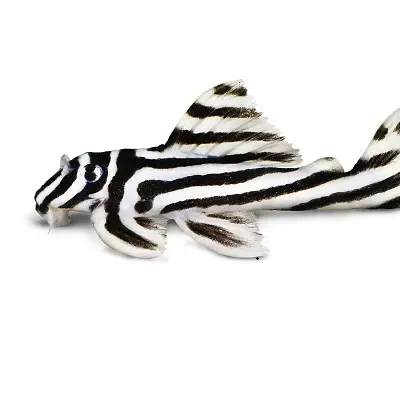
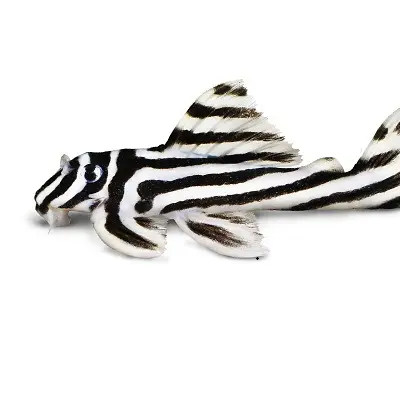
The second title answers the most important questions a buyer has before they even click. It will appear in searches for "L134", "Leopard Frog Pleco", and "pleco pair". The first will appear for almost nothing.
Use the Common Name and the Scientific or L-Number Where Relevant
Fish have multiple names that different buyers search for. A buyer who knows their plecos will search for the L-number. A casual hobbyist might search the common name. Including both in your title captures both audiences. The same applies across categories — use the common name, the species name where it adds value, and any relevant grading or variant terminology your buyers will recognise.
Include Key Details in the Title
Size, sex, quantity and any standout quality are all worth including if space allows. "Pair", "Breeding Group", "High Grade", "F1", "Tank Bred" — these are all terms buyers actively search for and respond to. They also signal that you know what you are talking about, which builds confidence before they even read the description.
Photos — The Single Biggest Factor in Whether Someone Bids
If your title gets someone to click, your photos determine whether they bid. There is no getting around it — listings with clear, well-lit, honest photos of the actual fish being sold outperform everything else. Buyers are committing money to an animal they cannot see in person. Your photos are their only way to assess what they are getting.
Use Natural or Bright Light
Dark, blurry tank photos are the single most common reason good fish go unsold. Fish tanks are notoriously tricky to photograph, but it is not difficult to get decent results with a phone camera if you follow a few basics. Turn up your tank lighting fully, turn off any blue or coloured lights that distort colour, and get close to the glass. Most modern smartphones handle the rest.
Photograph the Actual Fish Being Sold
This should go without saying, but always photograph the specific fish or batch you are selling — not a stock image from the internet, not your best specimen if you are selling average ones, and not a photo from six months ago when the fish looked different. Buyers trust what they see. If the fish arrives and looks noticeably different from the photos, it damages your reputation and can lead to disputes.
Multiple Photos Win
AquaLots allows you to upload multiple photos per listing — use them. Show the fish from different angles. Show the group if you are selling multiples. Show the tank they are kept in if it is presentable. A listing with five clear photos signals that you are confident in what you are selling and transparent about it. A listing with one blurry shot signals the opposite.
Clean the Glass First
It takes thirty seconds and makes a noticeable difference. Algae, smudges and water marks on the front glass make photos look far worse than the fish actually are. A quick wipe before you photograph gives your listing an immediate lift.
Writing a Description That Converts
Your description is where you turn interest into action. A buyer who has clicked through and looked at your photos is already engaged — the description is your chance to answer their remaining questions, build trust and give them the confidence to bid or buy.
Cover the Basics
Every listing description should include the following as a minimum:
Size — an approximate size in centimetres is helpful for all fish
Age — if known, buyers appreciate this
Water parameters — pH, temperature and hardness if relevant to the species
Diet — what the fish are currently eating makes transition to a new home easier
How long you have kept them — reassures buyers about health and condition
Any notable behaviour or traits — particularly useful for community fish or anything with specific requirements
You do not need to write an essay. A few clear sentences covering these points is all most buyers need. The important thing is that a buyer reading your description feels they understand exactly what they are getting.
Mention Your Setup
Buyers feel more confident when they know the fish have been well kept. A brief mention of your tank size, filtration approach and how long it has been running costs you nothing and adds real credibility. "Kept in a 200 litre planted tank, heavily filtered, for the past eight months" tells a buyer far more about the fish's condition than "healthy fish" ever could.
Be Honest About Any Imperfections
If a fish has a minor fin nick, mention it. If one of the group is slightly smaller than the others, say so. Honest descriptions build long-term trust and protect you from disputes. Buyers who receive exactly what was described are far more likely to leave positive feedback and come back for more. Buyers who feel misled do the opposite — and they tell other people.
Use Keywords Naturally
Just as with the title, the words you use in your description affect how your listing appears in search. You do not need to stuff keywords in unnaturally — just write clearly and specifically about the fish you are selling, using the names and terms your buyers would actually search for. If you are selling neocaridina shrimp in a specific colour variant, use that variant name in the description. If you are selling a species with a well-known common name and a scientific name, use both.
Pricing and Auction Strategy
Getting your price right is both an art and a science. Price too high and buyers scroll past. Price too low and you leave money on the table — or worse, attract buyers who do not value what they are getting.
Research Before You List
Before setting a price, spend five minutes looking at what similar fish are currently selling for on AquaLots. Completed listings give you real data on what buyers have actually paid — not just what sellers have asked for. If comparable fish are consistently selling at £15 to £20, pricing yours at £30 with no obvious reason why it commands a premium is going to cost you.
Auction Starting Price
For auction listings, your starting price has a significant effect on engagement. A low starting price creates momentum — it draws in early bids and generates activity that the AquaLots algorithm notices. Listings with active bidding are more likely to be surfaced on the homepage and in category pages. A high starting price might protect you from selling cheaply, but it can also result in no bids at all if buyers feel the floor is already too high.
Many experienced sellers start auctions lower than their ideal price, trusting that competitive bidding will drive the price up to a fair level. If you are selling something genuinely desirable — high-grade livestock, breeding pairs, rare variants — this approach typically works well. The competition takes care of the price.
Buy It Now Pricing
Fixed-price Buy It Now listings work differently. Buyers are not competing — they are making a straightforward yes or no decision based on whether your price feels fair to them. For common species or standard items, being competitively priced is important. For rarer livestock where there is limited supply, you have more flexibility — but the listing still needs to justify the price through photos, description and seller credibility.
Delivery Options — Do Not Limit Your Audience
Offering delivery opens your listing up to every buyer on AquaLots. Collection only limits you to people within a reasonable drive. Both options have a place, but if you are serious about selling and comfortable with the process, offering delivery significantly increases your potential audience.
Shipping Live Fish
Shipping live fish sounds daunting but is straightforward once you have done it a few times. The basics are: breathable fish bags, oxygen (a small pump works for occasional sellers), insulated boxes, heat packs in colder months, and sensible timing. Ship Monday to Wednesday so fish are not sitting in a depot over a weekend. Use a tracked next-day service. Pack tightly so bags cannot slosh around.
Include your shipping method and any relevant details in the listing description. Buyers feel more confident when they know exactly how their fish will be packaged and delivered. If you have shipped successfully many times before, mention it — it matters to first-time buyers who are nervous about receiving live fish by post.
Delivery Cost
Keep delivery costs reasonable and clearly stated. High or hidden delivery fees are one of the most common reasons buyers abandon a listing at the last moment. If your fish is priced at £8 and delivery is £18, many buyers will move on even if your listing is otherwise excellent. Grouping items to offer combined shipping where possible can help — and it is worth mentioning that option in your description.
Respond to Messages Quickly
Buyers on AquaLots can message sellers directly from a listing page. If someone takes the time to ask a question — about the fish, the delivery, your setup — a fast, helpful response can be the difference between a bid placed and a browser moving on. A message left unanswered for a day in an active auction is often a sale lost.
You do not need to write lengthy replies. Clear, direct answers that address what was asked are all a buyer needs. If the same question comes up repeatedly, it is worth adding that information to your listing description so it is there for everyone.
Getting onto the AquaLots Homepage
The AquaLots homepage features several sections that showcase listings to all visitors — not just people browsing a specific category. Appearing in these sections is some of the best free exposure available to any seller on the platform.
Ending Soon features auction listings approaching their close time. To appear here, you simply need an active auction within its final hours. Listings with existing bids tend to perform better in this section — the activity signals to buyers that it is worth paying attention to.
Most Active surfaces listings generating the most engagement — bids, views and buyer interest. A well-presented listing with a competitive starting price that attracts early bids is exactly what this section rewards. It is a virtuous cycle: good listings get bids, bids generate homepage visibility, homepage visibility generates more bids.
Top Deals highlights listings where buyers can get strong value — competitively priced items across the platform. Pricing your listings fairly and attractively increases your chances of appearing here.
The common thread across all of these sections is listing quality and engagement. The platform surfaces what buyers are already responding to. Give buyers something worth responding to, and the homepage exposure follows naturally.
Build Your Seller Reputation Over Time
Every successful transaction on AquaLots is an opportunity to build your reputation. Buyers leave feedback after purchases, and that feedback is visible on your seller profile to every future buyer. A strong track record of positive transactions is one of the most powerful things you can have on any marketplace — it removes doubt from buyers who have never dealt with you before and gives experienced buyers the confidence to bid higher on your listings.
The best way to build a good reputation is simple: describe your fish honestly, package them carefully, ship on time, and communicate clearly. Sellers who do those things consistently find that their later listings attract more interest and higher final prices than their early ones. Trust compounds over time.
If something goes wrong — a fish arrives in poor condition, a delivery is delayed — communicate proactively and resolve the issue fairly. How a seller handles a problem tells buyers far more about them than a listing with no problems ever could.
A Quick Checklist Before You Publish
Before you hit publish on your next listing, run through this checklist:
Does the title include the species name, any relevant variant or grade, and at least one key detail?
Have you uploaded at least three clear, well-lit photos of the actual fish being sold?
Does the description cover size, water parameters, diet, and how long you have kept the fish?
Is your price in line with what similar fish are currently selling for?
Have you clearly stated your delivery method and cost, or explained collection arrangements?
Is there anything a buyer might reasonably want to know that is not already covered?
A listing that ticks all of these boxes is already ahead of the majority. Add good photos and a competitive price, and you have a listing that the AquaLots platform will work hard to put in front of the right buyers.
Ready to List?
Creating a listing on AquaLots is free, takes a few minutes, and puts your fish in front of buyers across the country. Whether you are selling a single betta, a breeding group of cichlids, or a colony of high-grade shrimp, the principles are the same: be specific, be honest, and make it easy for a buyer to say yes.
The sellers who do best on AquaLots are not necessarily the ones with the rarest fish or the lowest prices. They are the ones who take the time to present what they have well. That is a standard anyone can meet — and the results speak for themselves.